Garage Door Repair Regarding Water Leaks: Los Angeles Resident Guide
Why Water Is Getting Through Your Garage Door
Water leaking under a garage door is usually caused by a failure in the seal between the door and the floor, but the source may also be higher on the opening. An overhead garage door must close properly against the garage door frame, garage floor, and garage door threshold. If any of these surfaces are damaged, uneven, or not sealed properly, rain can get into the garage.
The bottom weather seal is one of the most critical parts of a water-resistant garage door. This flexible strip compresses against the floor when the door closes. Over time, it can become stiff, split, flattened, or pulled out of its retainer. A damaged garage door panel can also allow water to pass through openings, dents, separating joints, or worn seams.
Water may get in at several locations:
- Under the door through a deteriorated bottom weather seal
- At the sides through gaps between the door and garage door frame
- Between panels through damaged joints or distorted sections
- Across the garage door threshold where the concrete floor is not level
- Above the opening if flashing, trim, or caulking has broken down
Finding the exact entry point is important. Replacing a seal will not solve the problem if water is actually coming through a cracked panel, a leaking garage door frame, or drainage running toward the opening.
Frequent Causes of Garage Door Water Leaks in Los Angeles
Los Angeles County has a mild Mediterranean climate with extended dry spells followed by seasonal winter rain. Those months of sunlight and heat can cause rubber seals and caulking to harden or develop cracks before the first major storm exposes an issue. During intense winter rain, even a small opening can allow substantial rainwater into a garage.
Wind-driven rain is especially problematic in Santa Monica, Venice, Long Beach, and other coastal communities. Strong gusts can push water under the door, through side gaps, and into small cracks around the garage door frame. Coastal exposure may also speed up deterioration of metal hardware, fasteners, and weather seals.
A sloped driveway is another regular source of problems. Driveways are often designed to direct water away from a house, but settlement, resurfacing, or poor grading can create a low point at the garage entrance. Water then gathers at the door instead of draining away. A standard seal may not stop water that is moving forcefully toward the opening with force.
Older homes in Northeast Los Angeles, South Los Angeles, and the San Fernando Valley may have worn garage doors, frames, concrete floors, or drainage systems. A door installed decades ago may no longer rest evenly, while the surrounding frame may have shifted or developed gaps. In these cases, garage door repair may need to be combined with threshold, frame, or drainage work.
Worn Weatherstripping and Bottom Seals
Weatherstripping shields the edges and moving joints of a garage door. The garage door seal at the bottom is commonly made from flexible rubber or vinyl and slides into a channel along the lowest panel. A rubber gasket may become brittle, damaged, torn, or compressed for good after years of exposure.
When the seal no longer touches the floor across its full width, water can enter beneath the door. Homeowners often describe this as rainwater entering the garage or water leaking under garage door panels. Gaps are particularly common at the corners, where the floor may be slightly lower than the central area.
A correctly installed seal acts https://penzu.com/p/7ead683ef34c15fa as a barrier against water, but it should not be expected to correct a severely uneven floor. If the concrete slopes toward the garage, a garage door threshold seal can provide an further raised barrier. The threshold must be attached to a dry, clean surface and positioned so the door closes securely without undue pressure.
Inspect the weatherstripping along the sides and top as well. If it is slack, withered, or separated from the garage door frame, rain can enter even when the bottom seal is in working order. A fully weatherproof weatherproof garage door may require replacement of the bottom seal, side stops, top seal, and damaged caulking.
Cracked Panels, Misalignment, and Door Gaps
A faulty garage door panel can allow water through cracks, holes, dents, or failed joints. Wood panels may absorb moisture and swell, while older steel panels can rust around fasteners and seams. Insulated panels may separate internally after impact or extended exposure to moisture.
Door alignment is also important. If the sections do not meet uniformly, one side may have a large gap against the floor or frame. Misalignment can result from damaged rollers, loose hinges, bent garage door tracks, broken cables, or a door that has shifted in its opening. A garage door inspection should evaluate operation and clearance rather than focusing only on visible holes.
Panel replacement may be suitable when one section has limited damage and matching parts remain available. However, replacing one panel on an older door can create differences in color, design, weight, or insulation. If several sections are damaged or the structure is badly warped, full garage door replacement may be a more practical option.
How to Check a Leaking Garage Door Without Risk
Start with a visual inspection during daylight and after rainfall if possible. Leave the door fully closed and look for daylight beneath or beside it. Look for wet tracks, water marks, peeling paint, swollen wood, rust, mold, and damp items stored near the opening. Following the highest wet point can help distinguish water intrusion from condensation or a plumbing leak.
For garage door safety, avoid removing springs, cables, drums, hinges, or track hardware. Springs and cables hold significant tension, and a sudden release can cause severe injury. A torsion spring above the door is particularly dangerous to adjust without the correct tools and training.
With the door closed, check the bottom weather seal for cracks, flattening, missing sections, and gaps. Inspect the threshold and concrete for cracks or low areas. Examine the garage door frame for deteriorated trim and failed caulking. If the door is safe to operate, watch it open and close from a distance. Discontinue use if it binds, falls, makes grinding sounds, or moves unevenly.
Record water damage with photographs and note where water appears after different types of weather. This information assists a technician diagnose whether the problem is a seal, panel, frame, drainage, or alignment issue.
Garage door repair solutions for moisture infiltration
The right repair is determined by the entry point. Replacing the bottom seal is often the most straightforward solution when the seal is damaged or worn but the door and floor remain solid. The old strip is taken out, the retainer is cleaned, and a correctly sized garage door bottom seal is installed across the door.
If water flows toward the opening, a threshold seal may be added on the garage floor. This creates a raised channel that cooperates with the door’s bottom seal. The floor must be free of moisture and structurally suitable, and the threshold should not interfere with vehicles, walking paths, or the operation of the door.
Garage door panel repair may involve removing and replacing a damaged section, supporting a minor defect, or correcting a separated joint. Severe warping, rust, or impact damage usually requires panel replacement rather than cosmetic patching. Caulking can close stationary gaps around the garage door frame, but it should not be used to seal moving joints or conceal active structural problems.
Other repairs may include fixing garage door alignment, replacing rollers, adjusting tracks, repairing hinges, or improving the frame. If water is collecting because of the driveway or surrounding drainage, a garage door company may identify the issue, but concrete grading, drains, or waterproofing may require a separate specialized contractor.
EM Garage Doors And Gate Service Inc19629 Cantara St, Reseda, CA 91335
(818) 919-0785
https://emgaragedoorsandgateservice.com/
https://maps.app.goo.gl/XujLWxA4pAQKARQT8
34.2193569, -118.5613022
When to Fix or Replace a Garage Door Panel
Repair a garage door panel when the damage is limited, localized, and the section remains structurally sound. Replacement is more appropriate when the panel is split, badly dented, rusted through, swollen, or no longer aligns with adjacent sections. A damaged panel can continue to admit water and may place extra stress on rollers and tracks.
Consider the age and condition of the complete door. If the existing door is old-fashioned, poorly insulated, or has repeated failures, an insulated garage door can improve durability and help moderate temperatures inside the garage. Matching a replacement panel may be difficult for discontinued models, making a new door more appealing.
Garage door replacement cost depends on the construction material, dimensions, insulation level, design, fittings, removal, and installation. A low-cost panel repair may be reasonable for a modern door, while major panel damage on an aged door can make replacement a better long-term value. Request a detailed garage door repair estimate that outlines both options.
Garage door repair Cost and Pricing in Los Angeles
Garage door repair cost in Los Angeles differs according to the cause, door size, part availability, urgency, and access to the damaged area. A simple seal replacement is generally lower in cost than panel replacement, track correction, spring work, or a complete new door. Coastal exposure, unusual door designs, and older construction can also change the work required.
Garage door repair pricing should clearly break down labor, parts, disposal, permit-related charges if applicable, and any service call fee. A technician may charge a service call fee for diagnosis, particularly outside normal business hours. Ask whether that fee is credited toward approved repair work.
Do not select a provider solely because it advertises the lowest price. A proper inspection should show why water is entering and whether the proposed repair will address the actual source. The cheapest new seal will not solve a sloped driveway or a structurally damaged panel.
Typical Costs for Springs, Panels, Seals, and Openers
Homeowners searching for garage door spring replacement near me should understand that spring work is separate from a water-leak repair. The garage door spring cost depends on the spring type, door weight, number of springs, and labor. Torsion spring repair should be performed by a trained technician because the spring stores substantial energy.
Seal replacement is usually less involved, while panel work costs more because the technician may need to match the section, remove hardware, balance the door, and test the opener. If the garage door opener is damaged by moisture or must be upgraded, the garage door opener installation cost includes the unit, mounting, programming, safety reversal testing, and labor.
Garage door replacement cost includes the door itself, tracks or other hardware when needed, installation, removal of the old door, and optional accessories. Ask for a detailed estimate rather than relying on a general advertised range. This is especially important when comparing panel repair with full replacement.
Two-Car Garage Door Replacement Cost Details
The 2 car garage door replacement cost is usually more expensive than replacing a single-car door because the door is wider, more substantial, and may require reinforced hardware and more installation labor. A two car garage door replacement cost also depends on whether the opening uses one double garage door or two separate doors.
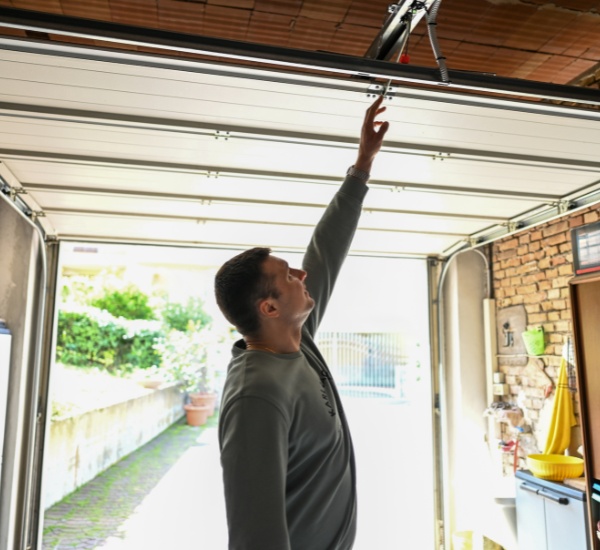
A double garage door has a wide continuous span, so damage, wind exposure, and alignment can affect the whole system. Insulation, window sections, custom finishes, smart controls, and reinforced tracks increase the price. Installation labor may increase when the frame needs adjustment or the old structure has water damage.
Compare the full proposal, including measurements, hardware, opener compatibility, weather seals, threshold work, removal, warranty terms, and labor. The lowest door price may not represent the lowest total project cost.
Do-It-Yourself Repairs Rather Than Professional Garage Door Repair
A few homeowners can handle a DIY weather seal replacement if the door is secure, the correct replacement seal is available, and the retainer is undamaged. Leave the opener disconnected only according to the manufacturer’s instructions, work with the door secured, and do not force a stuck seal or remove tensioned components.
Reach out to a professional garage door technician for damaged panels, severe gaps, bent tracks, loose cables, unusual noises, or a door that is heavy or uneven. A professional can test balance, alignment, rollers, hinges, safety sensors, and the opener while investigating the leak.
Never attempt torsion spring repair, cable replacement, or major track adjustment as a casual DIY project. Incorrect work can cause the door to fall or release stored energy. Emergency garage door repair is appropriate when the door is stuck open, has fallen off its tracks, is blocking a vehicle, or presents an immediate safety risk.
How to Find Garage Door Repair Near Me in Los Angeles
When searching for garage door repair near me, look for a local company that specifically handles leak diagnosis, weather seals, panels, frames, and drainage-related concerns. Confirm that the provider serves your part of Los Angeles and offers a clearly defined local service area. Same-day repair may be available for urgent problems, but water sealing work still requires an accurate inspection.
Choose a licensed garage door contractor and verify licensing through the California Contractors State License Board. Ask for proof of insurance, business identification, warranty terms, and references where appropriate. A licensed garage door technician should explain whether the repair involves the door, frame, threshold, driveway, or another building component.
Before approving work, request a written repair estimate listing labor, parts, taxes, service fees, and any after-hours charges. Ask whether the quote covers testing the door after repair and whether additional damage will require authorization. These steps help Los Angeles homeowners avoid unclear garage door repair pricing.
How to Avoid Future Garage Door Water Leaks
Routine garage door maintenance can prevent water intrusion and detects small defects before they become costly repairs. At least once a year, check the bottom seal, side weatherstripping, threshold, frame, panels, hinges, rollers, and tracks. After major winter storms, check for new gaps, water marks, or movement in the door.
Maintain the garage door tracks clean and have moving hardware serviced according to the manufacturer’s recommendations. Do not apply random lubricant to the bottom seal or paint over flexible weatherstripping. Renew cracked seals with materials rated for outdoor exposure and the local climate.
Improve drainage around the garage whenever possible. Remove leaves from drains, keep downspouts directed away from the opening, and address settled concrete or standing water. A threshold can help prevent water intrusion, but it cannot replace proper grading when runoff is substantial.
Weather-resistant materials, intact caulking, corrosion-resistant hardware, and an annual inspection can extend the life of the door. In Southern California, the best time to check seals is before the rainy season, not after the first storm exposes a leak.
Common Questions About Garage Door Water Leaks
How do I stop water from leaking under my garage door?
Check the bottom weather seal, garage door threshold, floor grading, and side weatherstripping. If the seal is split or compressed, replace garage door seal components with the proper size. A garage door threshold seal may reduce the problem when water flows across an uneven floor. If the door is not aligned or the driveway slopes toward the garage, have a professional complete a water leak diagnosis before selecting a repair.
How expensive is garage door repair in Los Angeles?
Garage door repair cost depends on whether the problem involves a seal, panel, track, spring, opener, frame, or drainage issue. Garage door repair pricing can also include a service call fee, labor, parts, and emergency scheduling. Request a written garage door repair estimate with each charge identified, and weigh the cost of repair with the likely garage door replacement cost when damage is widespread.
Do I need to replace a leaking garage door seal or the entire door?
Change the weather seal when the door is still structurally intact and the leak is confined to the bottom or edges. Consider garage door replacement when more than one panel is damaged, the frame is badly deteriorated, the door is continually misaligned, or replacement parts are not available. An inspection can identify whether a seal is the real barrier failure or only one symptom of a broader problem.
Can a damaged garage door panel cause water leaks?
Yes. A broken garage door panel can have fractures, openings, warped joints, rust, or gaps that allow rainwater to enter. Panel damage can also impact door alignment and prevent the bottom seal from contacting the floor evenly. Depending on the severity and age of the door, the appropriate solution may be panel repair, panel replacement, or complete replacement.
How do I find reliable garage door repair near me in Los Angeles?
Search for an established local provider, confirm its license through the California Contractors State License Board, and ensure insurance and service coverage in your community. Choose a licensed garage door technician who conducts a garage door inspection and provides a written estimate for labor, parts, and fees. Ask specifically about urgent garage door service, warranty coverage, and experience with water leaks, older homes, and coastal conditions.